

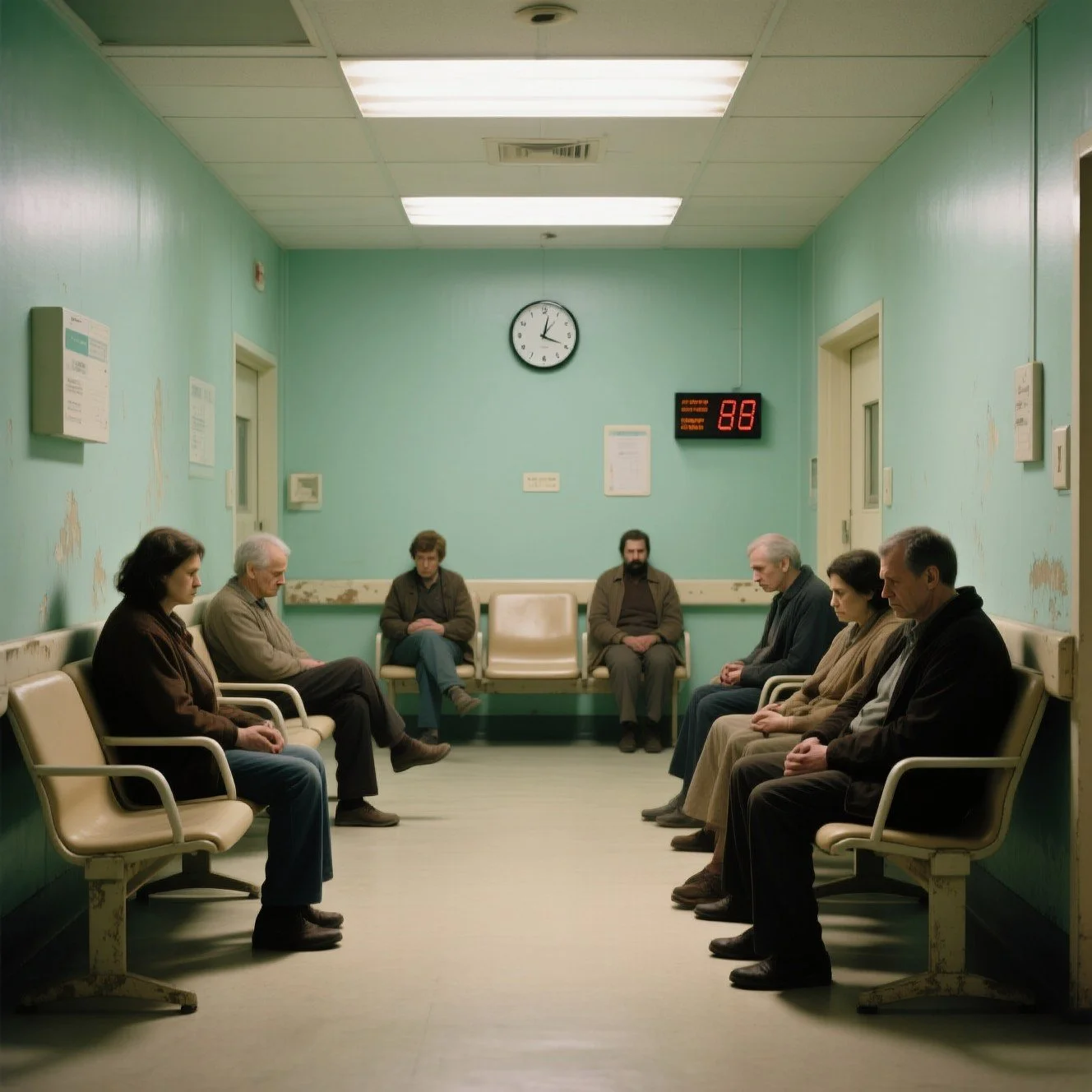
Why some men stay, and others walk away.
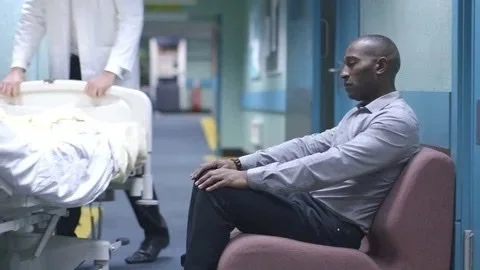
“A Nervous System Perspective on Love, Trauma, Attachment, and the Capacity to Remain Present During a Wife’s Final Journey.”
There’s something I’ve never really shared in full detail. When my late wife went into the hospital for the last time, what we thought was just another visit, get treated overnight, evaluated, and discharged, turned into being admitted and soon on to hospice care.
And I remember sitting there that first day, thinking, “I’m going to help get her through this.” That first day turned into a week. A week turned into two weeks. Two weeks turned into a month. And yet the part that stood out to everybody else…was that I never left.
Not once.
I slept there. I ate there. I lived there. I stayed right by her side.
Now here’s what confused me…
The nurses and staff kept coming up to me saying, “You’re such a good husband.”
And I didn’t know how to take that.
Because in my mind, I’m thinking… What do you mean?
What else would I be doing right now?
That wasn’t me going above and beyond.
That felt like… baseline.
That felt like… love.
But then one of the nurses said something that shifted everything for me.
She said,
“You’d be surprised… we see men all the time, leave after a few days and never come back.”
And I remember just sitting there thinking…
How?
How do you walk away from someone you love in the moment they need you the most?
How does empathy not pull you back into that room?
And for a long time, I wrestled with that question.
Until I started understanding something deeper…
This wasn’t just about love.
This wasn’t just about character.
This was about the nervous system.
—
See, when someone you love is dying…
Your brain doesn’t just register sadness.
It registers threat.
Loss of attachment… loss of control… helplessness…
And the body has to respond to that.
Now most people think there are only two responses: fight or flight.
But there’s actually more.
Some people fight the reality.
Some people run from the pain.
And some people… shut down completely.
And when people leave in those moments?
A lot of times, it’s not because they don’t care.
It’s because their system is overwhelmed.
Their brain is basically saying, “This is too much for you to feel…
we’ve got to get you out of here.”
But then there’s another response…
And it’s the one people don’t talk about enough.
It’s the ability to stay.
To sit in it.
To feel it… without running from it.
To be present… even when it hurts.
_
And I had to ask myself…
Why was I able to stay?
_
Because I wasn’t meditating in that hospital.
I wasn’t doing breathwork.
I wasn’t in some calm, controlled environment.
I was in one of the most emotionally intense situations of my life.
__
But what I realized later was this…
Even though I was actively practicing…
My nervous system had already been trained.
___
See, meditation isn’t just something you do.
It’s something that rewires you.
It builds your capacity to feel… without breaking.
It strengthens the part of your brain that says, “I can handle this.”
So, while someone else’s system might say,
“Escape this pain…”
Mine said,
“Stay here. This matters.”
And there was something else…
Attachment.
When you truly bond with someone…
Your brain doesn’t just register them as a person.
It registers them as a part of you.
So leaving them in that moment?
For some people, that feels like survival.
But for others… like me…
Leaving would’ve felt like abandoning a part of myself.
So I stayed.
Not because I was trying to be strong.
Not because I was trying to prove anything.
But because, neurologically…
Emotionally…
Spiritually…
There was nowhere else I could be.
_
And let me state for anybody reading this who’s judging themselves or someone else for
how they showed up in a moment like that…
People don’t always respond based on love.
They respond based on capacity.
Capacity of the nervous system.
Capacity of emotional regulation.
Capacity to sit with pain.
And here’s the truth most people don’t hear…
Capacity can be built.
_
You can train your mind…
You can regulate your nervous system….
You can expand your ability to stay present in the hardest moments of your life.
___
Because one day.
You’re going to be in a moment that asks something from you.
A moment that doesn’t give you time to prepare.
A moment where your body is going to decide before your mind does…
“Am I staying… or am I leaving?”
And the question is…
Who are you going to be in that moment?
___
For me…
That moment already came.
And I stayed.
And if you take anything from this…
Let it be this:
Don’t wait until life tests you, to build the capacity to show up.
Because when the moment comes…
You won’t rise to the occasion.
You’ll fall back to your conditioning.
___
And that’s why this work matters.
Ask yourself…
What am I conditioning myself for right now?
Because one day…
Somebody’s going to need you to stay.
And the question won’t be-
“Do you love them?”
The question will be…
“Can your nervous system handle the moment?”
5 ways to rewire the mind
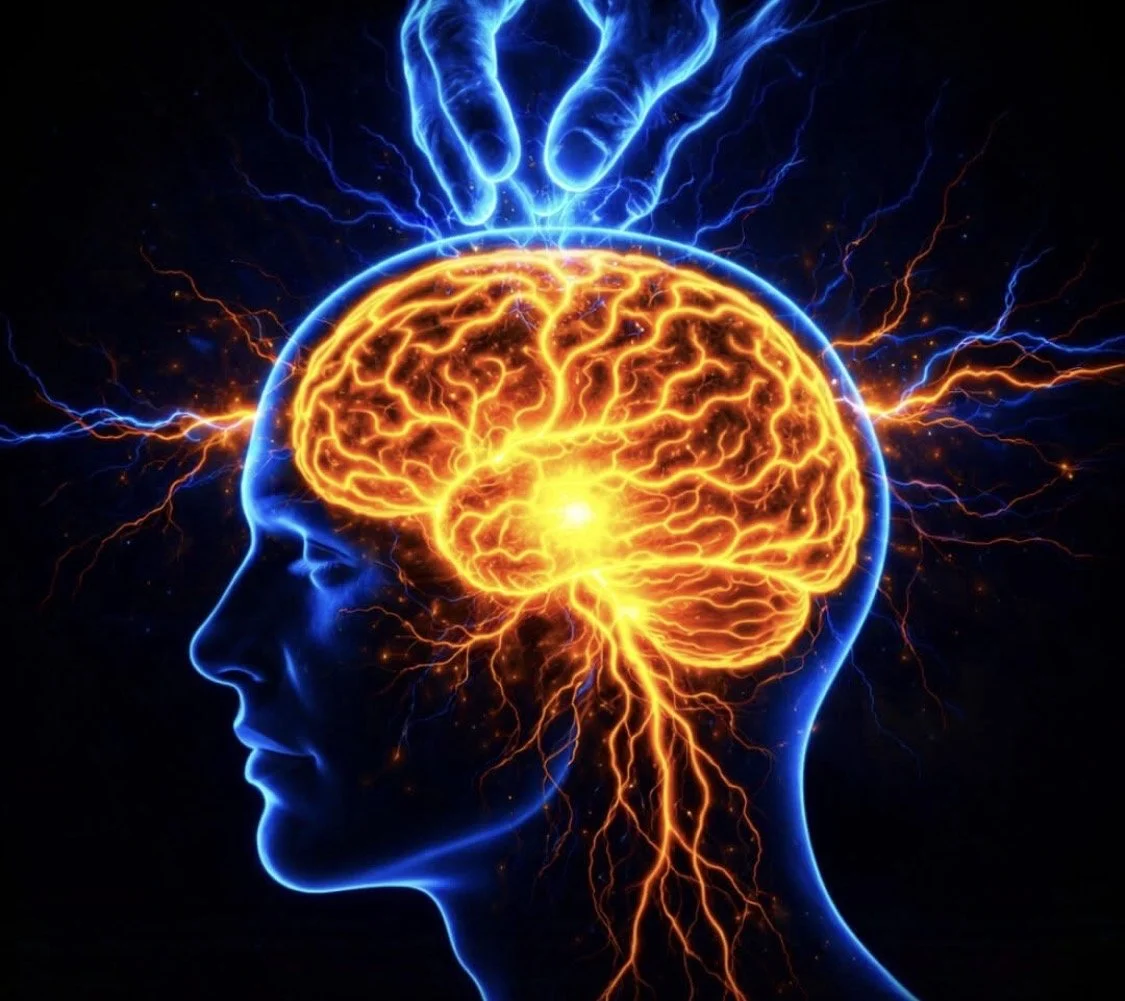
My goal in writing this is to help others rewire their mind. But what I’m really saying is, I want to help them create new neural pathways and weaken old patterns that no longer serve them. From a neuroscience perspective, the brain remains adaptable throughout life, through a process called “Neuroplasticity.”
Here are five powerful ways to facilitate that process:
Change Repetitive Thought Patterns
The brain strengthens whatever it repeatedly does. Thoughts are no exception.
If someone constantly thinks:
“I’m not good enough.”
“Things never work out for me.”
“It always goes wrong.”
Those neural pathways become stronger over time.
To rewire the brain:
Identify limiting beliefs
Challenge them with evidence.
Replace them with more accurate and empowering thoughts.
Repeat consistently.
Neuroscience Principle: Neurons that fire together wire together.
2 .Regulate the Nervous System First
A dysregulated nervous system makes change difficult.
When someone is stuck in chronic fight, flight, freeze, or fawn responses, the
brain prioritizes survival over growth.
Methods include:
Deep diaphragmatic breathing
Meditation
Mindfulness
Nature exposure
Exercise
Adequate sleep
As a Nervous System Regulation Strategist, this all aligns with the work I am so
passionate about. Helping people move from survival mode into a state where learning,
healing, and transformation become possible.
3. Create New Experiences
The brain rewires through experience, not information alone.
Many people know what to do but continue old behaviors because their nervous
system has never experienced a different reality.
Examples:
Joining a new community
Learning a skill
Public speaking
Traveling
Volunteering
Building healthier relationships
New experiences challenge old mental maps and force the brain to create
new connections.
4. Use Visualizations and Mental Rehersal
The brain often responds to vividly imagined experiences similar to real experiences.
Athletes use this technique regularly.
Try these:
Visualize success
Imagine overcoming challenges
Rehearse confidence
Feel the emotions associated with your desired future.
“The Emotional Component is Critical.”
Emotion strengthens learning and memory.
5. Practice Consistent Behavioral Change
The brain rewires through repeated action.
Many people wait until they feel motivated before acting.
Neuroscience suggest the opposite:
Act first
Repeat consistently
Allow the brain to adapt afterward
Small actions performed daily are often more powerful than dramatic
changes performed occasionally.
Examples:
Daily journaling
Walking every morning
Reading ten pages a day
Practicing gratitude
Speaking positive affirmations
Consistency creates predictability, and predictability creates new neural
pathways.
A Simple Formula
It can be viewed this way:
“Awareness+ Regulation+ Repetition+ Emotion+ Action= Rewiring”
Become aware of the old pattern.
Regulate the nervous system.
Repeatedly practice a new pattern.
Attach positive emotion to the new pattern.
Take consistent action until it becomes automatic.
The greatest mistake people make is trying to change their behavior without
changing the nervous system state that drives the behavior. Lasting transformation
happens when the mind, brain, and nervous system are all engaged in the process
simultaneously.
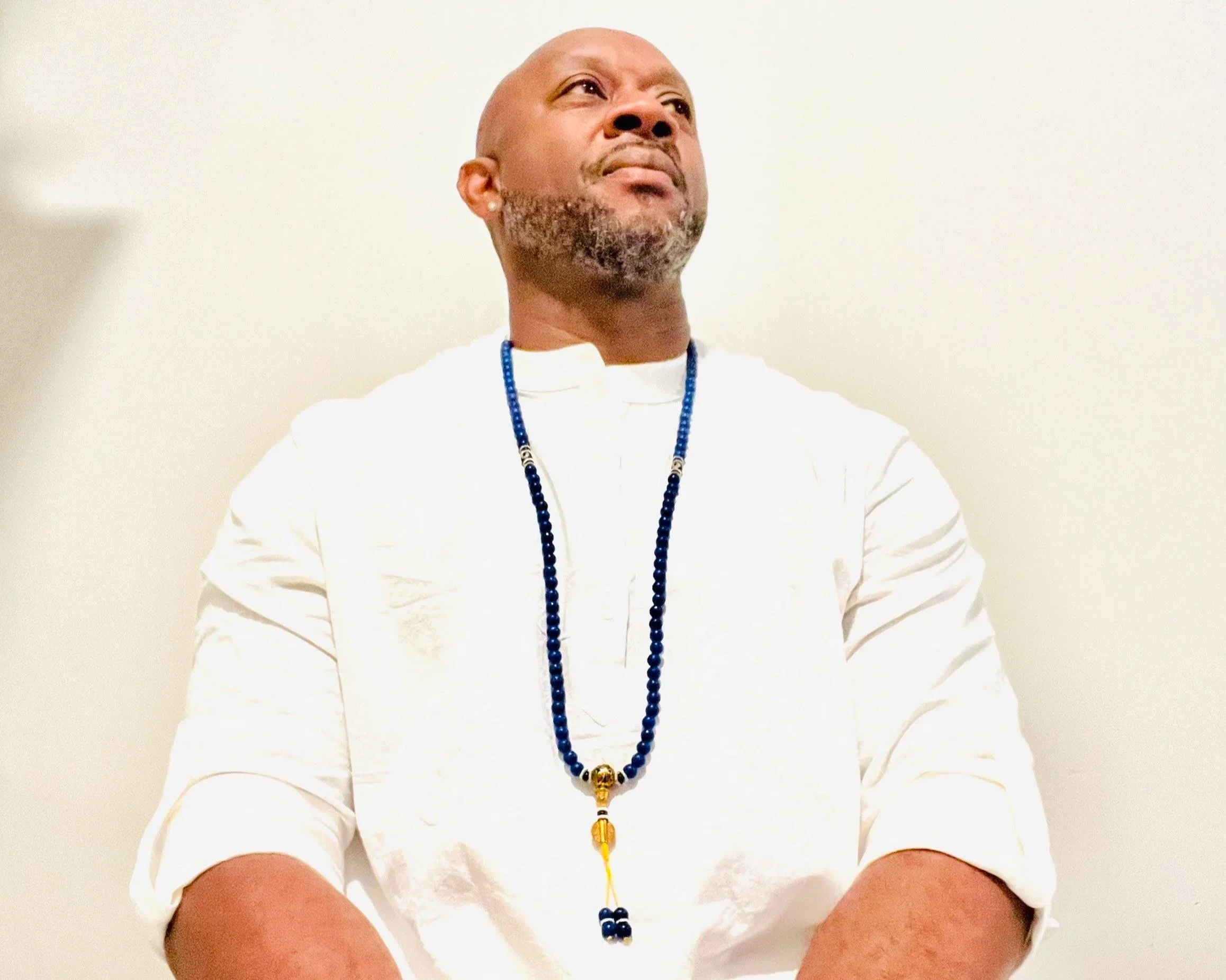
From prison walls to inner freedom
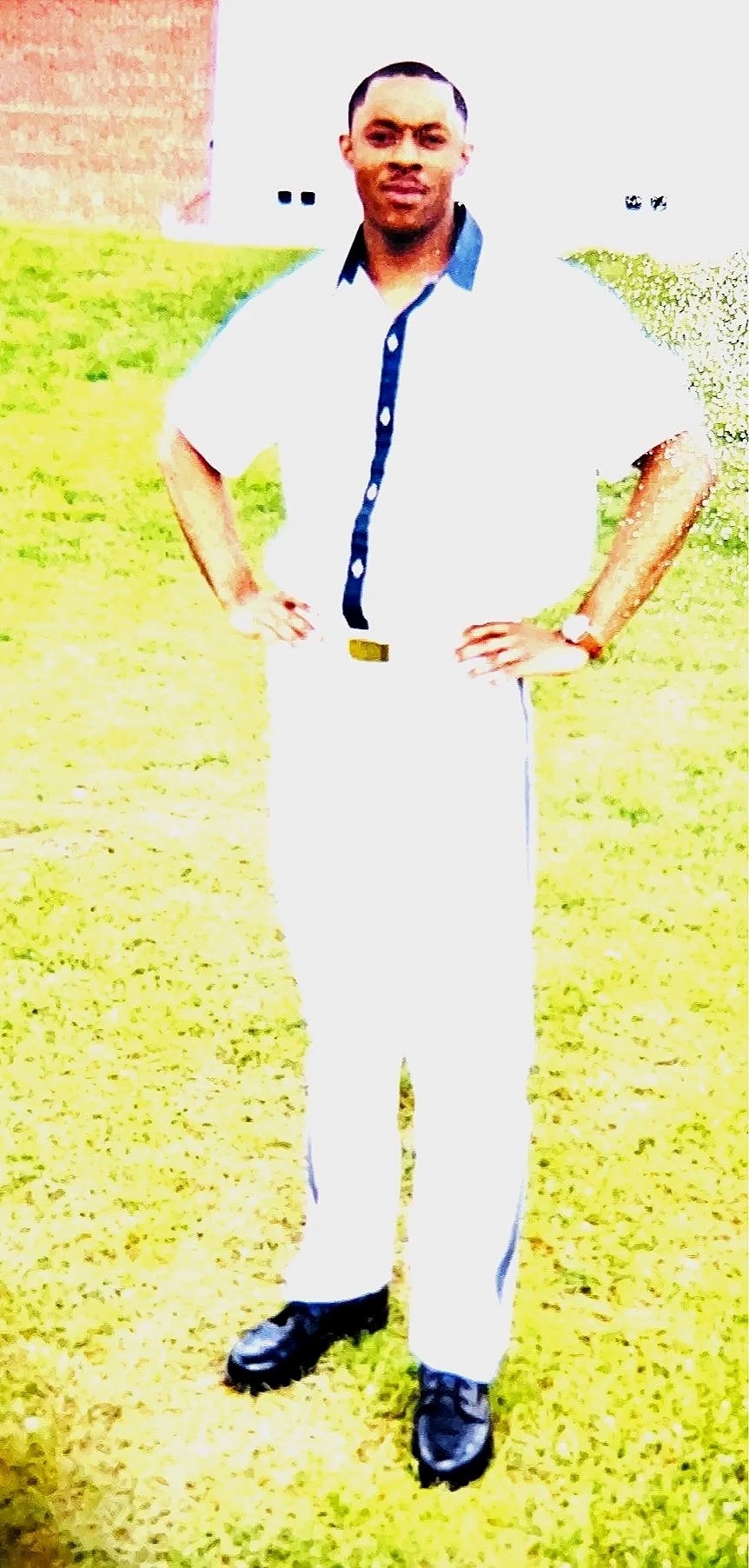
Scott State Prison 1996
When people hear the word “freedom,” they often think of release, possibility, and a fresh start. But for me, freedom after prison was more complicated. On the outside I was “free,” but on the inside, I carried the weight of survival mode- anxiety, worry of judgement, and the pressure to rebuild from nothing.
Life after prison isn’t as simple as just walking through the gates to freedom. Suddenly the world moves faster, expectations are higher, watching eyes are constantly on you, and the stigma of your past follows you everywhere. I thought if I just worked harder I could out run it or even break through.
But the truth was, my body and mind were still wired for survival. My nervous system didn’t know the difference between real threats and the challenges of everyday life. I thought it was because I’d become institutionalized, when in essence, it was my brain and body being rooted in past experiences.
That’s when meditation found me - or maybe I found it. And it changed everything.
For over a decade after my release, I searched for answers to who I was supposed to be in a world that was moving at such a terrific speed. I changed locations, jobs, relationships, religious practices, diets, workout routines, cities, social scenes, friends and associates. And yet, I still felt trapped behind the same prison walls I’d been released from.
Rewiring My Brain Through Meditation
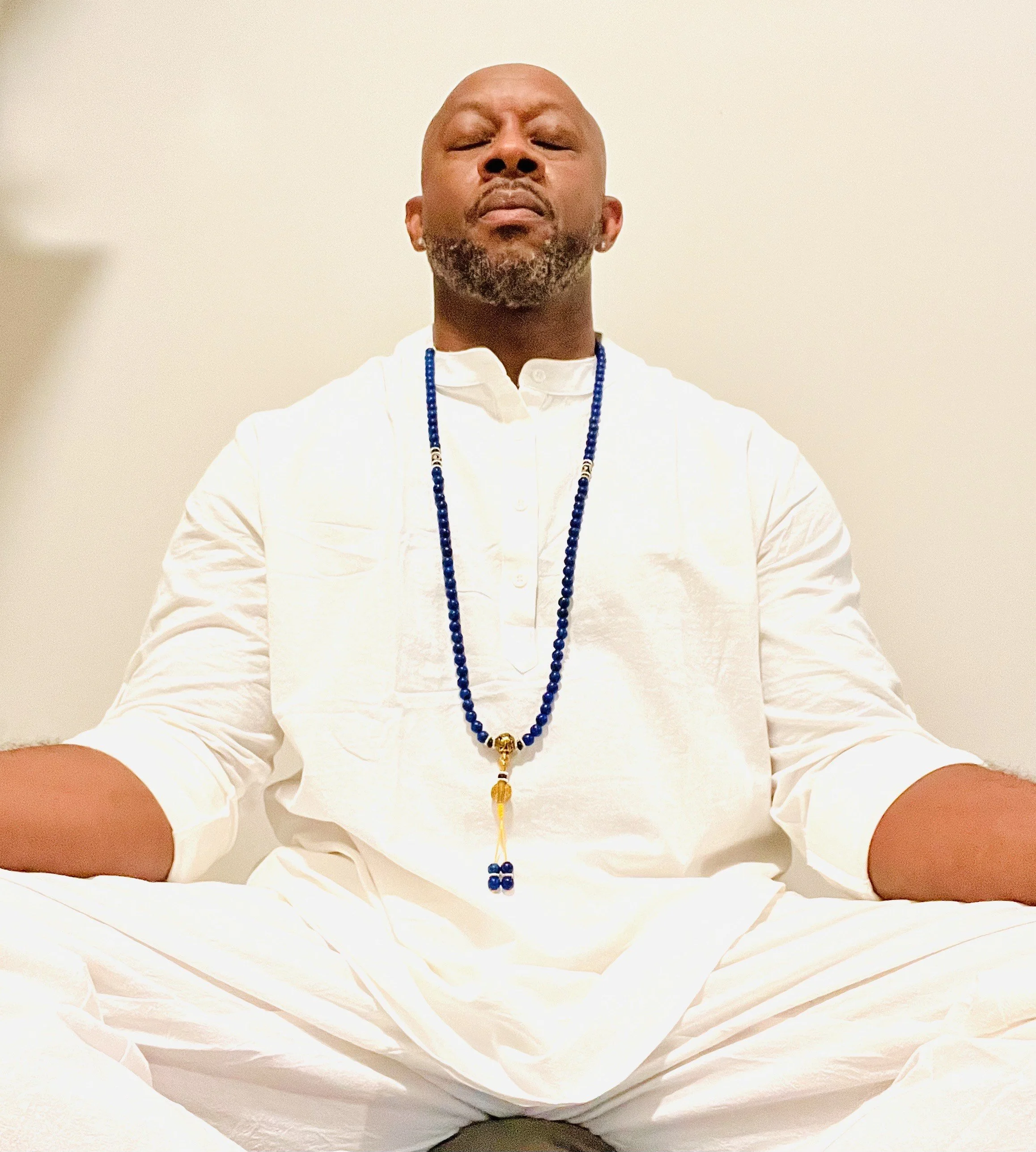
Heart and Brain Coherence Meditation
At first, sitting still felt impossible. My thoughts raced. And my body threw everything but the kitchen sink at me. It wanted to move! Years of tension through negative environments had trained me to always be on guard. I was sure I was getting it, and sitting in one place was not going so well. But one of the first things I learned is there is no such thing as a bad meditation, it’s only you getting beyond yourself.
So I kept at it, even if only for five minutes a day. What I learned is that meditation isn’t just “relaxing.” It’s retraining the brain and nervous system. Science confirms that consistent meditation shifts brainwave activity, lowers stress hormones like cortisol, and literally rewires neural pathways that keep us stuck in old cycles and behaviors.
Through daily practice, I began to notice changes:
Instead of reacting, I started responding.
Instead of being consumed by fear and anger, I found space to breathe.
Instead of letting my past define me, I started creating a new vision of the future.
Slowly, my nervous system moved out of fight-or-flight and into coherence- where my mind, body, and emotions aligned. That shift gave me access to peace I never thought possible.
Finding Happiness in Hard Places
Meditation did not erase the real struggles of reentry into the social structure. Bills still had to be paid. Opportunities were still scarce. And the past didn’t magically disappear. But what did change was my relationship to all of it. I stopped waiting for external freedom to give me peace. I began cultivating it within. I found happiness in small things- that first breathe first thing when I awake, a sunrise, a positive conversation, the feel of my heartbeat.
That’s when I realized: true freedom isn’t just about where you are. It’s about who you’re becoming on the inside.
Why I Share This
I know I’m not the only one who has carried the weight of the past. Whether it’s prison, a failed marriage or relationship, loss of a loved one, trauma, or simply the grind of everyday life, so many of us live with nervous systems locked in survival. Stress, anxiety, and old stories keep us stuck. Meditation is a doorway out. It doesn’t erase your circumstances, but it helps unwire and rewire neural pathways to make changing your life easier.
It transforms how you experience your circumstances. It teaches your brain and body that you are safe, that you have choices, and that you can create new patterns-
No Matter What Your Past Looks Like-
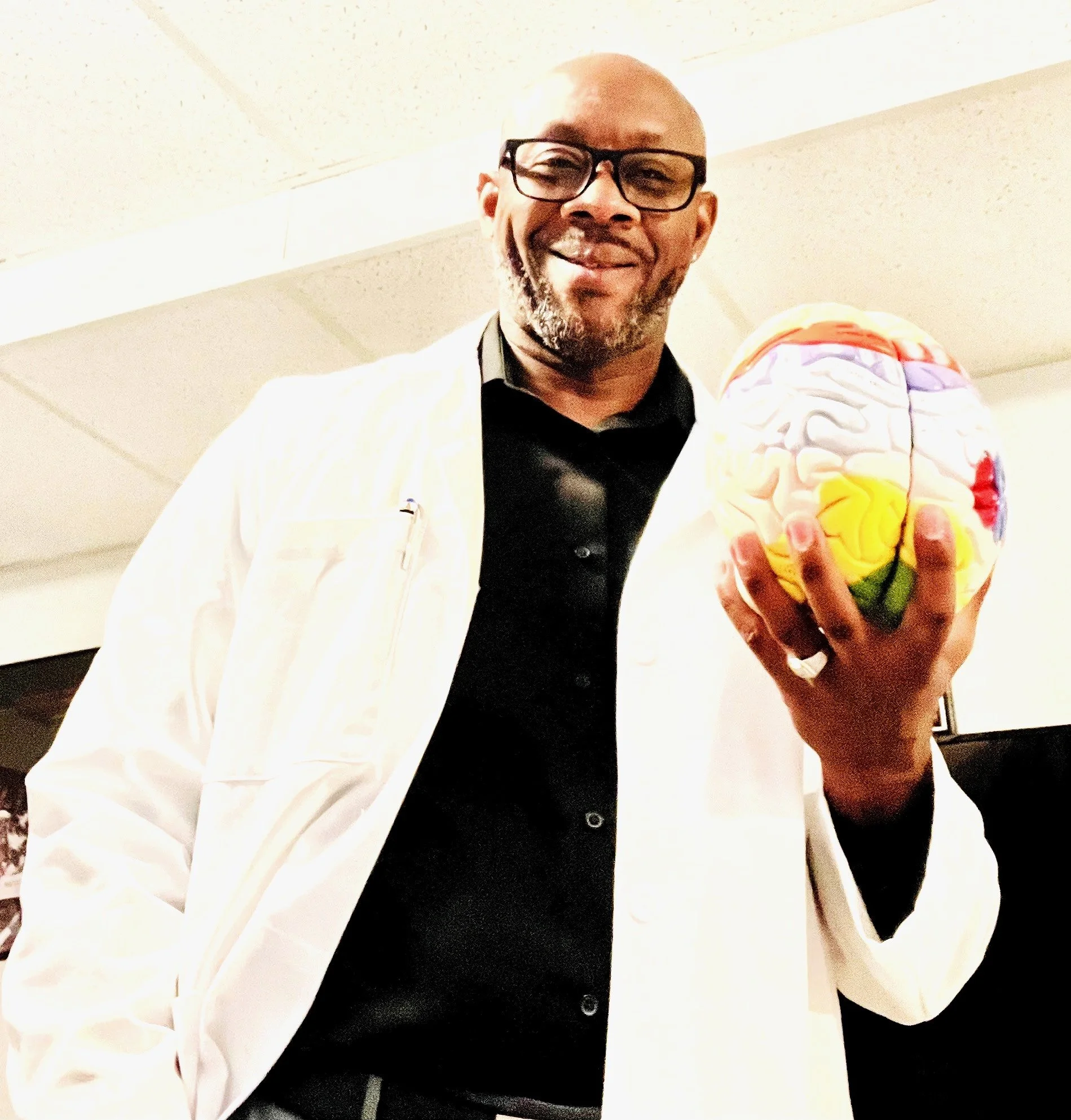
PhD Student of Natural Medicine/ Neuroscience
If my story resonates with you, I want you to know this: you don’t have to stay stuck in old cycles. You can rewire your brain. You can bring your nervous system back into balance. And you can discover freedom from the inside out.
That’s why I now guide others through Coaching and Meditation- to help people step out of survival mode and into the lives they were created to live. If you’re ready to begin your own journey, I invite you to join me by simply emailing me the word, “Ready” to -(jayd@madusiv.com)
Freedom doesn’t start outside of you. It begins within. And it can begin today.